April 3, 2026
Maintaining your diesel truck is essential for ensuring its longevity and optimal performance. This guide will provide you with comprehensive strategies to keep your diesel truck running like new, maximizing both its lifespan and efficiency. Regular and meticulous care not only enhances performance but also secures significant cost savings over the truck's lifetime. In an industry where maintenance services account for roughly 60% of total diesel repair demand according to Business Research Insights, understanding and applying these practices is crucial. By adhering to the detailed steps provided in each section, you will ensure that your diesel truck remains in top condition.
1. Regular Maintenance Checks
1.1 Engine Oil and Filter Changes
Changing the engine oil and filter at regular intervals is paramount for the health of your diesel truck. Fresh oil ensures that the engine components are properly lubricated, reducing wear and tear. Diesel engines benefit greatly from high-viscosity oil, which provides better lubrication under heavy loads and high temperatures. Oil filters play a crucial role in trapping particles and preventing them from causing damage to the engine. Consistent checks and changes based on the manufacturer's recommendations can prevent engine malfunctions and prolong the life of your truck.
1.2 Inspecting Fuel System Components
The fuel system is the lifeline of a diesel engine, and its integrity must be kept intact. Diesel trucks are equipped with complex fuel systems that require regular inspections to ensure optimal performance. This includes checking fuel filters, lines, and injectors for any signs of wear or clogs. A malfunction in any of these components could result in poor fuel efficiency or even engine failure. Keep maintenance records to track inspections and parts replacements, ensuring nothing is overlooked.
1.3 Keeping an Eye on Coolant Levels
Cooling systems in diesel trucks operate under high pressures and temperatures, making them vital to engine maintenance. Maintaining proper coolant levels prevents the engine from overheating, which can cause significant damage. It's essential to use the correct type of coolant for your truck, as mixing different coolants can lead to the formation of sludge. Regularly check for leaks in the system and replace the coolant as per the manufacturer's guidelines. A well-maintained cooling system not only protects the engine but also ensures it runs efficiently.
1.4 Transmission Fluid and Service Intervals
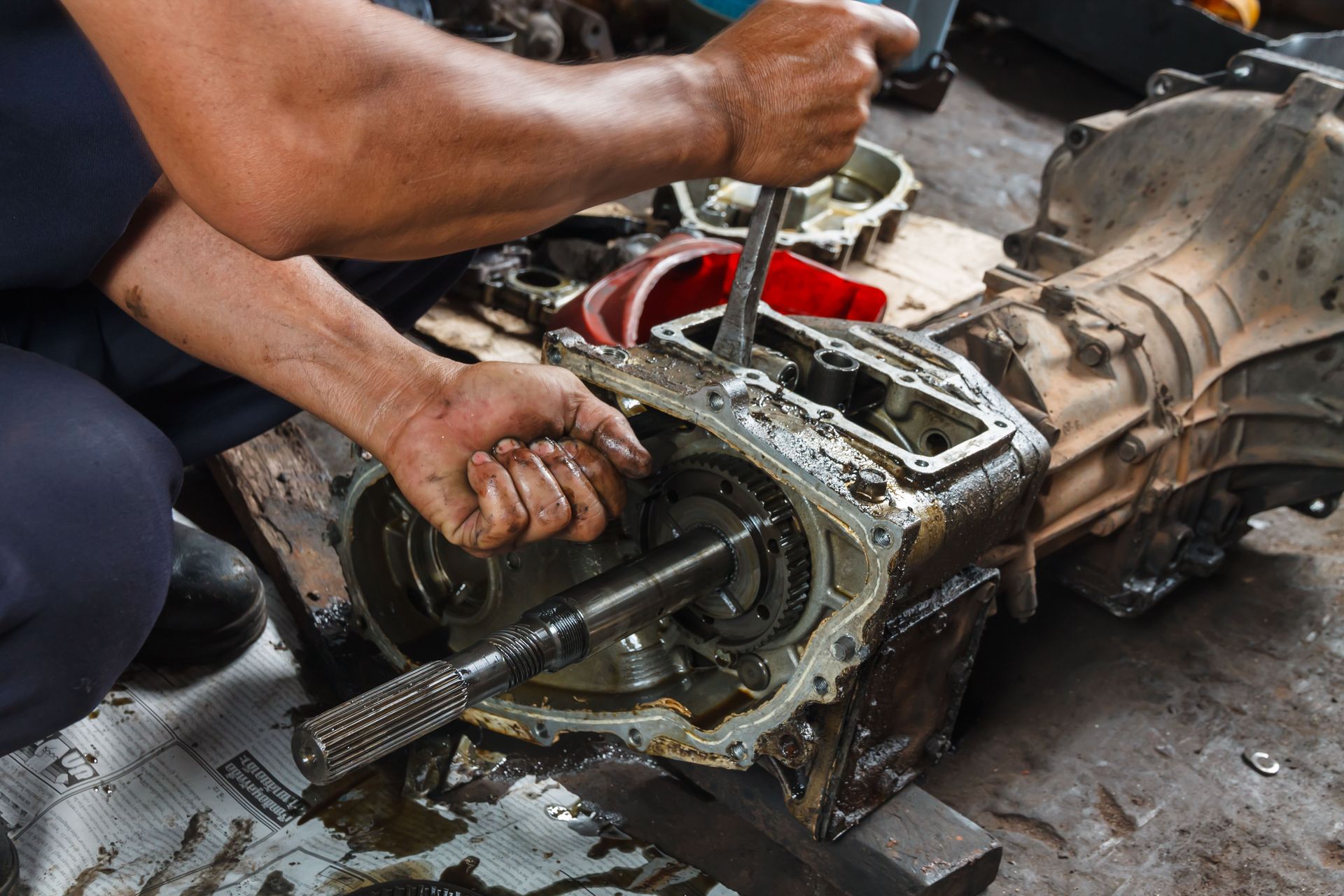
Regular check-ups and maintenance of the transmission system can prevent costly repairs down the line. Transmission fluid lubricates, cools, and prevents rust in the parts it contacts. Over time, the fluid can become contaminated, leading to poor gear shifting and transmission overheating. Observe the service intervals specified in your owner's manual, replacing the fluid and filter as needed. Proper transmission care enhances driving smoothness and extends truck life significantly.
1.5 Monitoring Tire Condition and Pressure
Your truck’s tires directly affect its safety and fuel efficiency. Under-inflated tires can increase rolling resistance, negatively impacting fuel economy and potentially leading to blowouts. Conversely, over-inflated tires may cause premature wear and a harsh ride. Regularly check tire pressure against the manufacturer's recommended levels, taking into account that variations in temperature can affect readings. Rotate the tires periodically and ensure alignment is properly maintained for even wear. Keeping a tire maintenance routine will ensure your truck remains stable and maneuverable.
2. Fuel Quality and Additives
2.1 Choosing the Right Diesel Fuel
Choosing the right type of diesel fuel can substantially impact your truck’s performance and longevity. Premium diesel fuels often contain detergent additives that help keep the engine clean and running efficiently. It's important to select fuel that meets or exceeds the specifications outlined by the vehicle's manufacturer. Furthermore, purchasing fuel from reputable service stations avoids the risks associated with contaminated or low-quality fuel. Overall, the right fuel optimizes combustion and keeps engine components functioning as intended.
2.2 Using Fuel Additives to Enhance Performance
Fuel additives can offer significant benefits for diesel engines by improving fuel efficiency and reducing engine deposits. For instance, cetane enhancers can lead to quicker ignition, ultimately enhancing engine start-up and performance. Additives can also help in water separation, which is crucial as water contamination can harm fuel injectors and other fuel system components. It's important to follow the manufacturer's recommendations regarding additive use to prevent any adverse effects on engine performance. Regular use of high-quality additives can result in smoother engine operation, extended engine life, and reduced emissions.
2.3 Understanding Biodiesel Blends
Biodiesel blends are becoming increasingly popular due to environmental benefits and compatibility with most diesel engines. It’s important to understand the specific blend you’re using, as higher biodiesel concentrations (such as B20 or B100) might require engine modifications. While biodiesel can improve lubrication and reduce emissions, it can also affect cold weather performance if not mixed properly. Regularly inspecting fuel filters is critical when using biodiesel, as it can clean out residues leading to clogged filters initially. Understanding these blends ensures you maximize the advantages while minimizing potential engine issues.
2.4 Avoiding Fuel Contamination
Fuel contamination can arise from a variety of sources, including water ingress, microbial growth, or dirt. Diesel fuel tanks should be kept full to minimize condensation, which can introduce water to the system and promote microbial contamination. Microbes feed on diesel fuel, forming sludge and acids that can damage fuel systems. Regular inspections and treatments with biocides can prevent microbial proliferation, maintaining fuel quality. Keeping water separation systems in check also screens out contaminants and safeguards engine performance.
2.5 Seasonal Considerations for Fuel Use
Seasonal changes can significantly affect diesel fuel performance, especially in colder climates. Cold temperatures can cause diesel fuel to gel, potentially halting fuel flow and stopping the engine. It is essential to use winter-grade diesel or anti-gel additives to prevent this from occurring. In contrast, warm weather may accelerate fuel oxidation, leading to the formation of gums and varnishes. Adjusting fuel choices and employing appropriate additives seasonally ensures consistent engine performance year-round.
3. Keeping the Air Intake System Clean
3.1 Inspecting Air Filters Regularly
The air intake system is crucial for providing clean air to the combustion process in diesel engines. Air filters prevent dirt, debris, and contaminants from entering and damaging the engine. Clogged or dirty air filters restrict airflow, reducing engine efficiency and increasing emissions. It’s important to inspect and replace air filters regularly to ensure optimal air flow and engine performance. Clean air filters improve fuel efficiency and maximize the engine’s power output, extending the vehicle’s lifespan.
3.2 Cleaning the Turbo Charger
The turbocharger is an integral component of modern diesel engines, significantly enhancing power and fuel efficiency. Over time, carbon deposits can accumulate in the turbocharger, affecting its performance and reliability. Regular cleaning of the turbocharger can prevent these deposits from diminishing engine performance and responsiveness. It’s advisable to consult your vehicle’s manual for recommended cleaning frequency and methods. A well-maintained turbocharger ensures optimal boost levels, contributing to better engine performance and longevity.
By following these comprehensive guidelines on maintenance, fuel management, and driving practices, you can keep your diesel truck running like new. Consistent care not only preserves the truck's functionality but also ensures safety and value over time. Implementing regular and detailed maintenance checks minimizes breakdown risks and repairs. Understanding and selecting appropriate fuels and additives optimize performance and reduce emissions. Moreover, adopting proper driving habits extends the truck's lifespan, ensuring that it remains a reliable asset for years to come. Be sure to reach out to Holton Truck and Tire today for more information on our professional diesel repair service!