August 5, 2026
Owning a diesel truck comes with the responsibility of regular maintenance and timely repairs to ensure longevity and operational efficiency. Understanding the subtle indicators that signal a need for professional attention can save vehicle owners from facing astronomical repair bills and sudden breakdowns. A heavy-duty vehicle relies on a precise balance of high pressure fuel delivery, air intake, structural integrity, and electronic monitoring to perform heavy hauling and long distance transit. When any single system experiences degradation, the domino effect can quickly compromise the entire powertrain. Partnering with a trusted diesel repair shop ensures that minor mechanical flaws are identified and corrected before they evolve into catastrophic engine failures.
Recognizing early warning signs allows truck operators to maintain peak performance and preserve their capital investment. From subtle shifts in fuel consumption to alarming metallic noises emanating from under the hood, your vehicle constantly communicates its internal operational status. Ignoring clear indicators like dark exhaust emissions, dragging transmissions, or erratic warning lights only leads to extended downtime and lost productivity. Experienced technicians possess the specialized diagnostic equipment, technical training, and heavy machinery required to restore your vehicle to original manufacturer specifications. Taking immediate action at the first sign of trouble keeps your truck dependable, safe, and fully capable of handling demanding road conditions year after year.
Maintaining Fuel Efficiency
A noticeable decrease in fuel efficiency often serves as a primary indicator of underlying mechanical issues within a diesel vehicle. A sudden drop in miles per gallon typically points to inefficiencies in engine combustion or fuel delivery pathways. This internal inefficiency might be caused by factors such as clogged fuel filters or malfunctioning injectors, which disrupt the proper flow and precise atomization of diesel fuel. Regular maintenance checks prevent these issues from compounding, but if ignored, they escalate into severe engine strain and mechanical failures. Partnering with a qualified diesel repair shop guarantees that vital fuel systems receive accurate evaluations, preserving mileage and delivering a smoother, more economical driving experience over the long haul.
When driving a commercial or personal diesel vehicle, remaining vigilant about unexpected changes in fuel economy remains paramount. Alongside the physical mechanical components, daily driving habits play a substantial role in total fuel consumption. Practices like frequent prolonged idling, aggressive acceleration, or heavy towing without proper thermal warm-up periods impact overall efficiency negatively. Moreover, environmental factors such as extreme winter temperatures or high altitude mountain driving influence fuel utilization, necessitating seasonal adjustments in routine servicing. Over time, maintaining stable fuel economy ensures prolonged internal engine life and optimal performance, effectively reducing lifetime operational costs for truck owners.
Monitoring Diagnostic System Codes
The advent of modern onboard diagnostic systems has completely transformed how commercial vehicle maintenance is performed today. These sophisticated internal computers provide immediate visual warnings and precise data logs regarding overall mechanical health. Error codes indicating malfunctions within the fuel system often point toward failing lift pumps, restricted filters, or electrically compromised fuel injectors. Ignoring these illuminated dashboard indicators leads to severe performance deficits, increased fuel consumption, and permanent damage to expensive engine components. Relying on an equipped diesel repair shop allows certified mechanics to read complex computer codes, pinpoint hidden sensor failures, and clear fault histories accurately.
When diagnostic tools reveal error codes related to the fuel system, it is imperative to address the issues promptly to prevent further degradation. According to American Petroleum, ensuring timely oil changes is equally essential, with recommendations of every 5,000 to 7,000 miles or every six months if the truck engages in moderate towing. Part of maintaining heavy machinery involves recognizing how varying operating environments influence internal components over time. Long haul highway trips and continuous urban stop and go driving place distinct stresses on sensitive fuel injectors and high pressure pumps. Viewing onboard warning codes as preventative notifications guarantees that your vehicle continues operating as intended while meeting safety standards.
Identifying Abnormal Engine Noise
Diesel engines are naturally louder than gasoline engines, yet distinct abnormal noises warrant immediate professional investigation. Deep knocking sounds generally signal improper fuel combustion or severely worn internal rotating assembly components. A primary cause is a malfunctioning fuel injector that fails to deliver precise fuel quantities at correct pressures, resulting in uneven detonation cycles. Addressing these distinct metallic knocks rapidly prevents structural damage to pistons, wrist pins, and cylinder walls. Utilizing a full service diesel repair shop provides access to skilled technicians who can isolate noise sources using acoustic diagnostics and replace compromised mechanical parts swiftly.
Engine vibrations can cause various external bracketry and exhaust components to loosen over time, especially during off-road usage. Rattling sounds emanating from under the hood frequently indicate loose heat shields, failing serpentine belt tensioners, or broken engine mounts. High pitched squealing noises point toward worn accessory drive belts or misaligned pulleys, which can snap and cause immediate overheating or steering loss. Furthermore, sharp hissing sounds usually reveal high pressure vacuum, boosted intake, or cooling system leaks that compromise total power output. Bringing your vehicle to a facility for detailed inspection resolves these structural and pneumatic noises before minor hardware issues transform into major roadside emergencies.
Evaluating Exhaust Smoke Color
Exhaust emissions provide direct visual insight into the internal combustion health of a diesel powertrain. Dense black smoke billowing from the tailpipe indicates an overly rich air to fuel ratio, meaning excess fuel is entering the combustion chamber without sufficient oxygen to burn completely. This condition commonly stems from restricted air filters, failing turbochargers, leaking fuel injectors, or clogged exhaust gas recirculation valves. Persistent black smoke deposits excess soot into internal engine components, rapidly clogging expensive diesel particulate filters. Scheduled visits to a professional facility ensure air intake systems and fuel delivery profiles are restored to ideal ratios.
Blue or white exhaust smoke signals entirely different internal mechanical emergencies that demand urgent technical intervention. Blue smoke indicates that engine oil is entering the combustion chamber, usually caused by worn piston rings, degraded valve stem seals, or blown turbocharger shaft seals. White smoke, especially accompanied by a sweet odor, points to raw unburned fuel or coolant entering the cylinders due to blown head gaskets, cracked cylinder heads, or timing issues. Ignoring these distinct smoke colors guarantees severe internal engine damage, unexpected road failure, and massive repair expenses. Professional diagnostic services isolate fluid leaks and timing errors, ensuring your vehicle burns fuel cleanly and operates within legal environmental emission standards.
Addressing Driveability and Transmission Problems
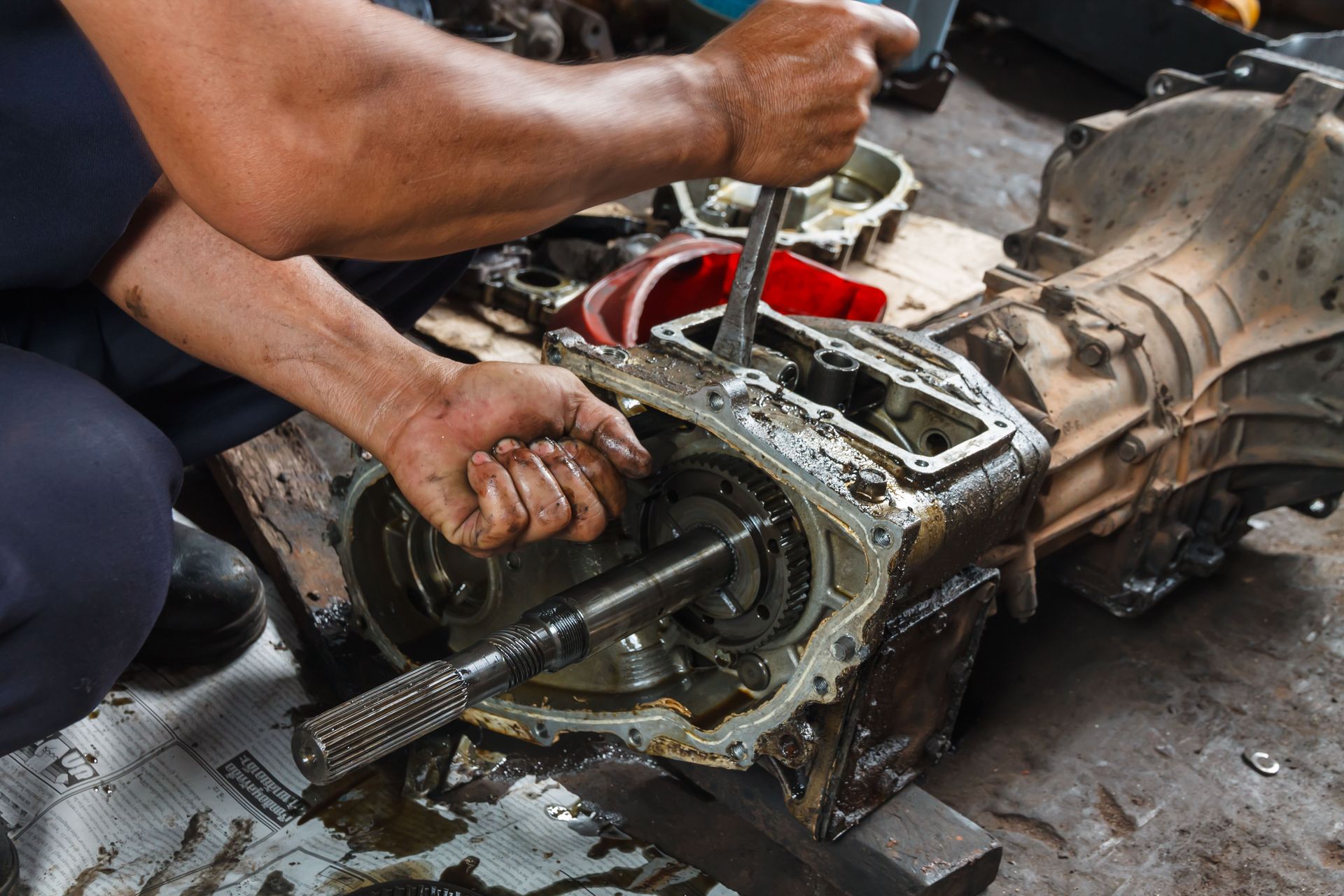
A healthy diesel engine requires a functional transmission and drivetrain to transfer immense torque to the road surface efficiently. Slipping gears, delayed engagements, or harsh shifting patterns indicate degraded transmission fluid, worn clutch packs, or failing hydraulic solenoids. Grinding metallic noises during gear shifts or deceleration suggest severe internal bearing wear or gear tooth damage that requires immediate tear down. Continuing to operate a vehicle experiencing transmission slippage generates extreme heat, accelerating fluid breakdown and destroying internal friction materials. Visiting an established
diesel repair shop ensures proper transmission fluid flushes, electronic calibrations, and mechanical overhauls are performed correctly.
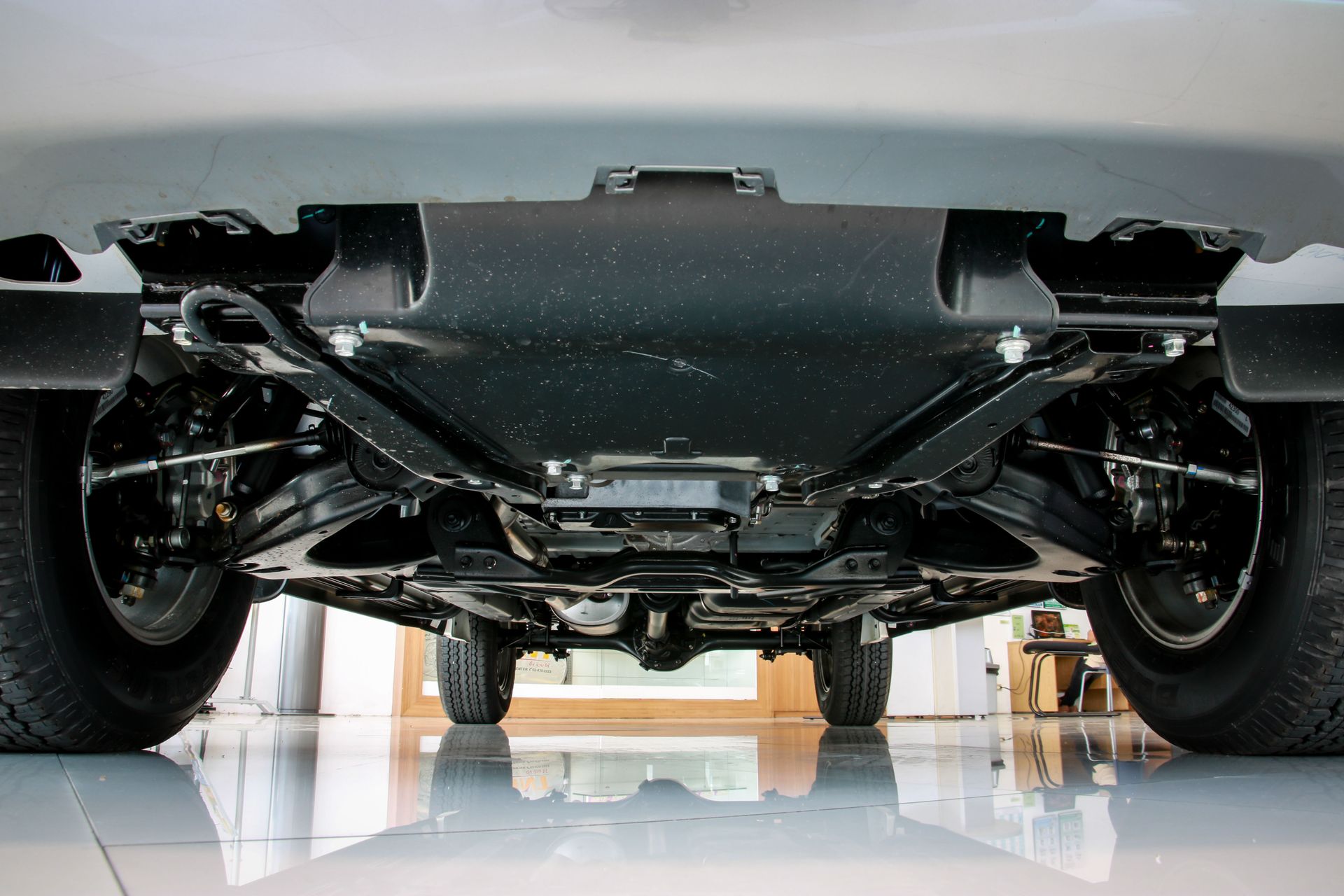
Suspension and braking anomalies also compromise overall vehicle control, especially when hauling heavy payloads or navigating steep downhill downgrades. Spongy brake pedals, persistent grinding during stopping, or steering wheel vibrations indicate severely worn brake pads, warped rotors, or failing master cylinders. Improper tire inflation or misaligned front ends lead to rapid uneven tread wear, reduced traction, and increased rolling resistance that degrades overall fuel economy. Routine chassis lubrications, steering component replacements, and brake system overhauls keep heavy trucks controllable under extreme load conditions. Prioritizing comprehensive drivetrain and chassis maintenance guarantees that your vehicle remains safe, responsive, and fully capable of executing tough jobs efficiently.
Recognizing the warning signs of mechanical distress remains essential for preserving the reliability, safety, and longevity of your diesel truck. Promptly addressing diagnostic warning codes, strange engine noises, dark exhaust emissions, and transmission shifts keeps minor service needs from developing into catastrophic equipment failures. Partnering with a dedicated service facility ensures your heavy-duty vehicle receives specialized care, precise computer diagnostics, and quality replacement components tailored to your specific application. Protect your valuable automotive investment, maintain optimal fuel economy, and keep your vehicle operating at peak performance for years to come by contacting Holton Truck and Tire to schedule your next service appointment today.