October 7, 2026
Diesel engines have earned a reputation for toughness. They power the trucks that haul freight across the country, the pickups that tow heavy trailers, and the equipment that keeps farms and job sites moving. That durability, however, doesn't mean a diesel engine can go without care. In fact, the high compression and heavy workloads that make diesel engines so capable also put steady stress on their components. The question most owners eventually ask is simple: how often should a diesel engine be serviced?
The answer depends on how you use your vehicle, the conditions it operates in, and what the manufacturer recommends. Still, there are general guidelines every owner should understand. This guide walks through the key service intervals, the systems that need regular attention, and the reasons a qualified diesel mechanic should be part of your maintenance plan from day one.
Knowing Why Diesel Engines Need Regular Service
A well-maintained diesel engine can outlast many gasoline engines by a wide margin. According to Universal Technical Institute, diesel engines generally last around 500,000 miles on average. Reaching that milestone isn't automatic, though. The engines that hit high mileage are almost always the ones that received consistent, timely maintenance throughout their working lives.
Regular service accomplishes several goals at once. It improves fuel efficiency, protects major components from premature wear, and keeps emissions within acceptable limits. It also helps prevent the kind of sudden failures that leave drivers stranded and turn a minor fix into a major expense. When you skip or delay service, small problems have room to grow. A clogged filter or a worn belt might not seem urgent, but either one can place extra strain on the engine and lead to more serious damage down the road.
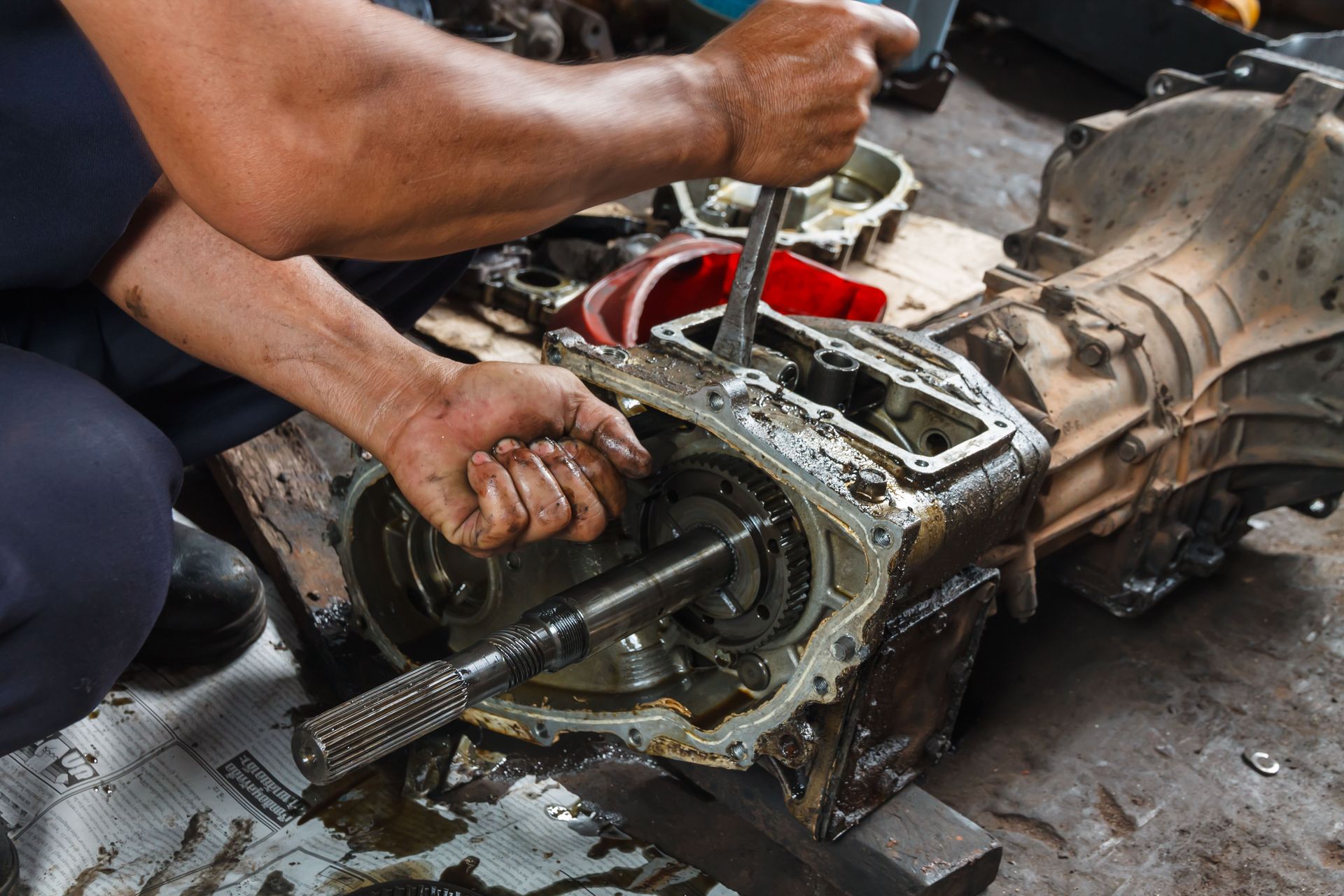
Working with an experienced diesel mechanic ensures that maintenance happens on schedule and that nothing gets overlooked. Diesel systems are complex, and a trained professional knows which components need attention at each interval.
Following a Mileage-Based Maintenance Schedule
The most common way to plan diesel service is by mileage, with adjustments for engine hours on equipment that idles or works in place for long stretches. Your owner's manual is the best starting point, since intervals vary by make, model, and engine design. That said, many owners follow a general framework.
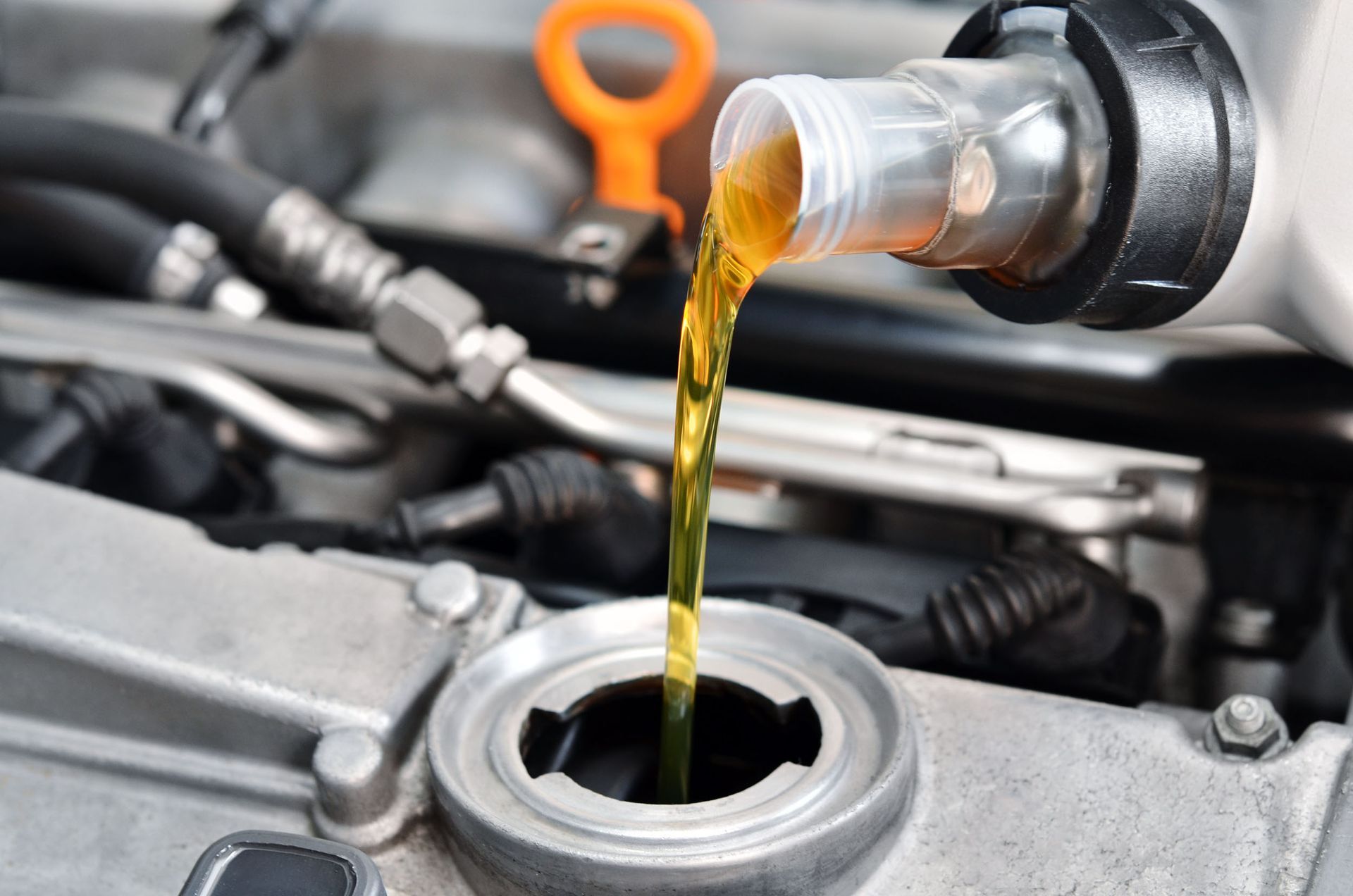
Oil and filter changes are the foundation of any diesel maintenance plan. Many light- and medium-duty diesel trucks call for an oil change roughly every 5,000 to 10,000 miles, in our experience, though severe-duty use may require more frequent changes. Fresh oil keeps internal parts lubricated, carries away contaminants, and reduces the friction that wears down components over time. Because diesel combustion produces more soot than gasoline combustion, the oil in a diesel engine can break down faster than many owners expect.
Beyond oil changes, a thorough inspection at each oil service helps catch developing problems early. A diesel mechanic can check fluid levels, look for leaks, and assess the condition of belts, hoses, and filters during these routine visits.
"Severe duty" is an important term to understand. If your vehicle frequently tows heavy loads, idles for long periods, operates in extreme heat or cold, or works in dusty environments, it likely falls into this category. Severe-duty conditions shorten service intervals, so it's wise to talk with a professional about adjusting your schedule accordingly.
Protecting the Fuel System From Contaminants
Diesel fuel systems are especially sensitive to contamination. Water, dirt, and debris can damage injectors and other precision components, leading to hard starts, rough running, and reduced fuel economy. Clean fuel filters serve as the first line of defense against these contaminants.
Fuel filter replacement intervals vary widely, but many manufacturers recommend changing them somewhere between 10,000 and 30,000 miles, in our experience. Vehicles that run on fuel of uncertain quality or operate in dusty or humid conditions may need more frequent changes. Replacing a fuel filter costs far less than repairing clogged or worn injectors, which makes this one of the most cost-effective maintenance steps an owner can take.
A diesel mechanic can also watch for symptoms of fuel delivery problems, such as power loss or excessive smoke, and determine whether the fuel system needs further attention.
Inspecting the Cooling, Belt, and Hose Systems
Diesel engines generate a significant amount of heat, and the cooling system works hard to keep operating temperatures in a safe range. Overheating can warp components and cause severe engine damage, so coolant system checks should be part of every service visit. Coolant levels, coolant condition, and the integrity of the system's hoses all deserve a close look.
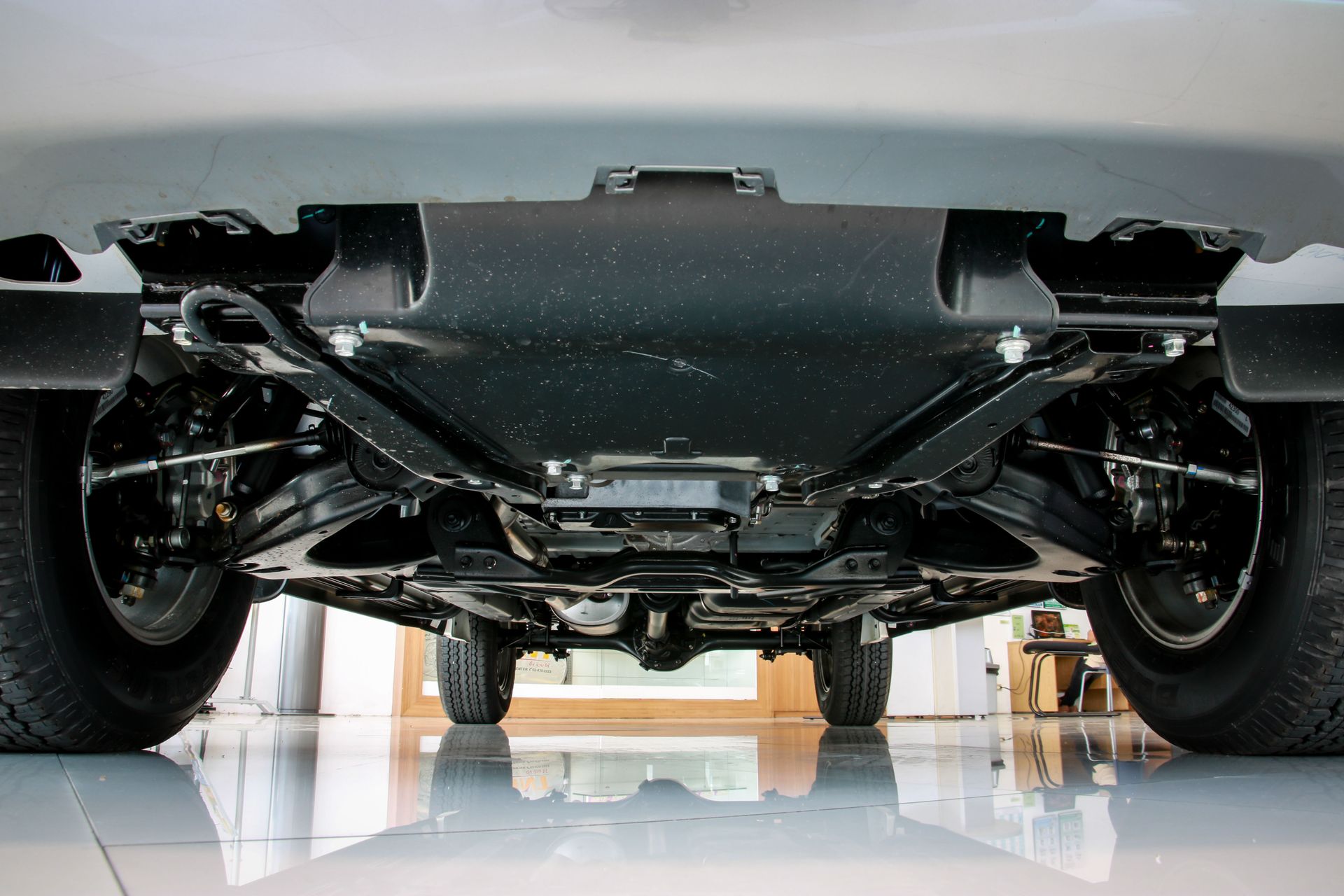
Belts and hoses tend to wear gradually, which makes their failure easy to miss until it happens. A cracked hose or a frayed belt can fail without warning, especially under heavy loads or in extreme temperatures. Having these parts inspected regularly, along with the engine's air systems, reduces the risk of unexpected breakdowns during operation. A professional diesel mechanic knows what the early signs of wear look like and can recommend replacement before a failure leaves you stuck on the shoulder.
Checking the Starter, Alternator, and Air Conditioning
A diesel engine's electrical system plays a vital role in reliable starts and steady power delivery. Starters, alternators, and batteries all work together, and when one begins to fail, the symptoms often show up as weak starts, dimming lights, or intermittent electrical issues. Cold weather can make these problems worse, since diesel engines demand more from their starting systems in low temperatures.
Having your starter and alternator tested during routine service, particularly before winter, can prevent a no-start situation on a cold morning. Air conditioning deserves attention too, especially for drivers who spend long hours behind the wheel. Compressors, condensers, and refrigerant lines wear over time, and an AC system that fails in summer heat can quickly affect driver comfort and safety. An annual check, ideally before the hottest months arrive, helps keep the system ready when you need it most.
Maintaining the Muffler and Exhaust System
The exhaust system does more than control noise. It directs fumes safely away from the cab, supports fuel efficiency, and helps your vehicle meet emissions standards. On modern diesels, components like diesel particulate filters and catalytic converters play a major role in reducing harmful emissions.
When exhaust components become clogged, damaged, or worn, you may notice reduced power, louder operation, excessive smoke, or warning lights on the dashboard. Exhaust leaks can also create emissions compliance issues. Including the muffler and exhaust system in regular inspections helps catch these problems early. Emissions-related parts can be complicated to diagnose, so this is an area where a skilled diesel mechanic is especially valuable.
Recognizing Warning Signs Between Service Visits
Even with a solid maintenance schedule, problems can develop between appointments. Knowing the warning signs helps you respond quickly rather than waiting for the next scheduled visit. Watch for hard starts, especially in cold weather, as well as a noticeable loss of power, unusual exhaust smoke, or a drop in fuel economy. Dashboard warning lights, strange noises, and fluid leaks under the vehicle also signal that something needs attention.
If you notice any of these symptoms, don't wait. Contacting a diesel mechanic as soon as possible can mean the difference between a simple repair and a costly overhaul. Diesel issues rarely resolve themselves, and continuing to drive with a known problem often causes additional damage.
So, how often should you service a diesel engine? For most owners, the answer involves regular oil and filter changes at the intervals set by the manufacturer, fuel filter replacements at recommended mileage points, and routine inspections of the cooling, electrical, air conditioning, and exhaust systems. Severe-duty conditions call for more frequent attention, and any warning signs that appear between visits deserve prompt professional care. With consistent maintenance, your diesel engine has a far better chance of reaching the high mileage these engines are known for.
At Holton Truck and Tire, we're here to help you keep your diesel vehicle running strong. Our team handles everything from preventive maintenance and system diagnostics to starter, alternator, air conditioning, and exhaust repairs. If you're looking for a trusted diesel mechanic who will give your engine the attention it deserves, call or text us today to schedule your service.