November 6, 2026
Understanding and implementing the right maintenance strategies are key to ensuring your diesel engine runs efficiently and reliably for decades. Diesel engines are celebrated across the automotive and industrial sectors for their robust construction, exceptional fuel efficiency, and immense low-end pulling power. However, to truly maximize these inherent mechanical advantages, owners must commit to consistent, meticulous care. The punishing compression cycles, soaring thermal dynamics, and tight manufacturing tolerances of modern diesel systems mean that minor oversights rapidly snowball into catastrophic mechanical breakdowns. Establishing a comprehensive care regimen preserves structural components, protects internal friction surfaces, and ensures that your vehicle performs reliably under heavy working loads.
Preserving these high-performing workhorses requires a holistic approach that extends far beyond routine oil changes. Operators must integrate high-caliber fueling practices, careful thermal management, systematic mechanical assessments, and strict preservation measures when vehicles sit idle. Proactive service practices significantly reduce long-term operational costs, allowing you to bypass premature overhauls while sustaining optimal horsepower and torque. By mastering the core principles of preventive care, commercial fleet managers and private owners can safeguard their automotive investments and keep their vehicles operating safely on the open road.
Adhering to Preventive Service Schedules
Sticking to a structured maintenance timeline is the absolute cornerstone of extending diesel powertrain longevity. Because compression-ignition engines rely on high operating pressures, their internal components endure far greater physical stress than traditional gasoline engines. Scheduling routine servicing allows certified technicians to inspect mission-critical parts, analyze fluid health, and pinpoint microscopic flaws before they develop into debilitating mechanical emergencies. According to the Universal Technical Institute, when a diesel engine reaches 200,000 or 300,000 miles, the liner can be replaced without having to replace the entire engine.
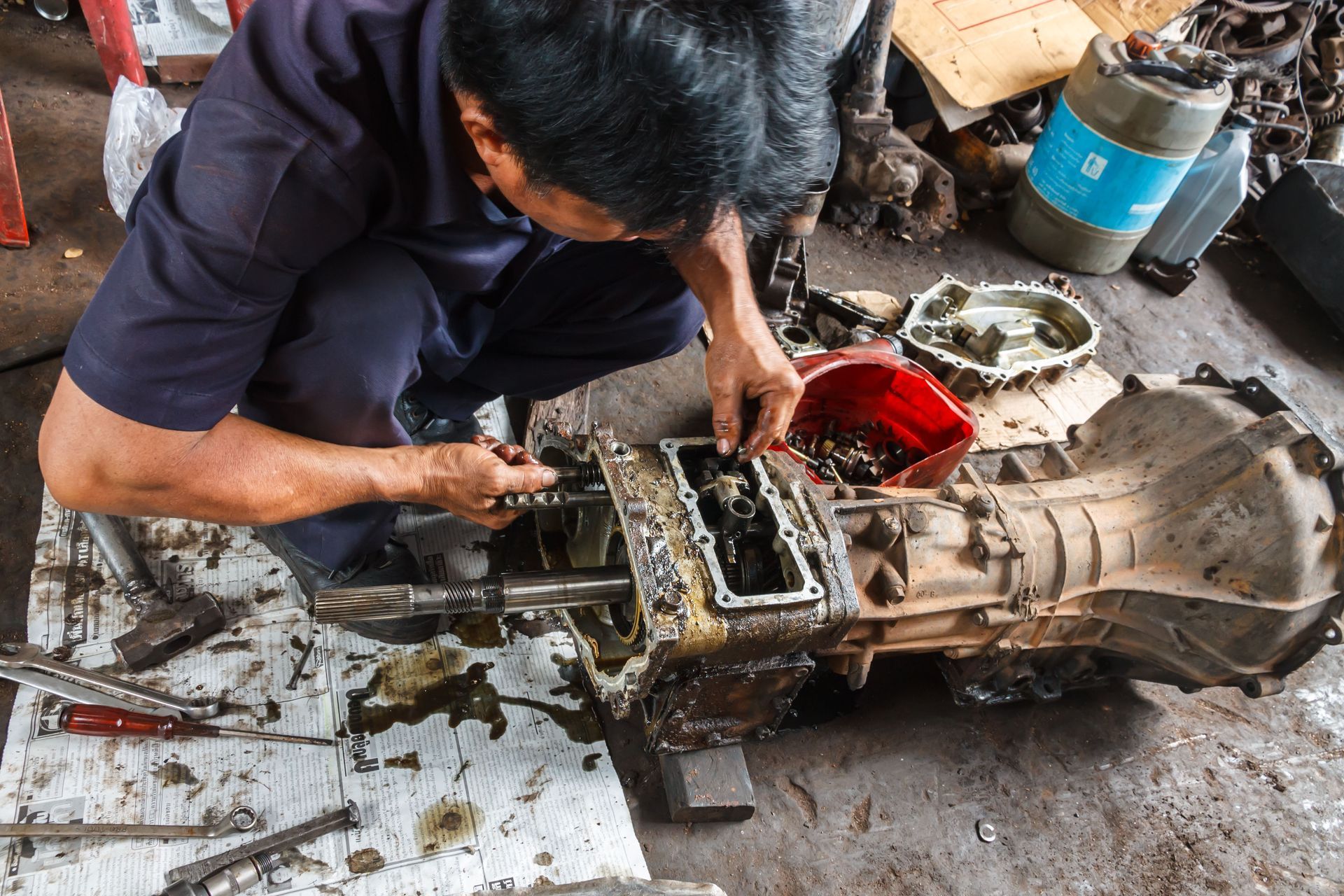
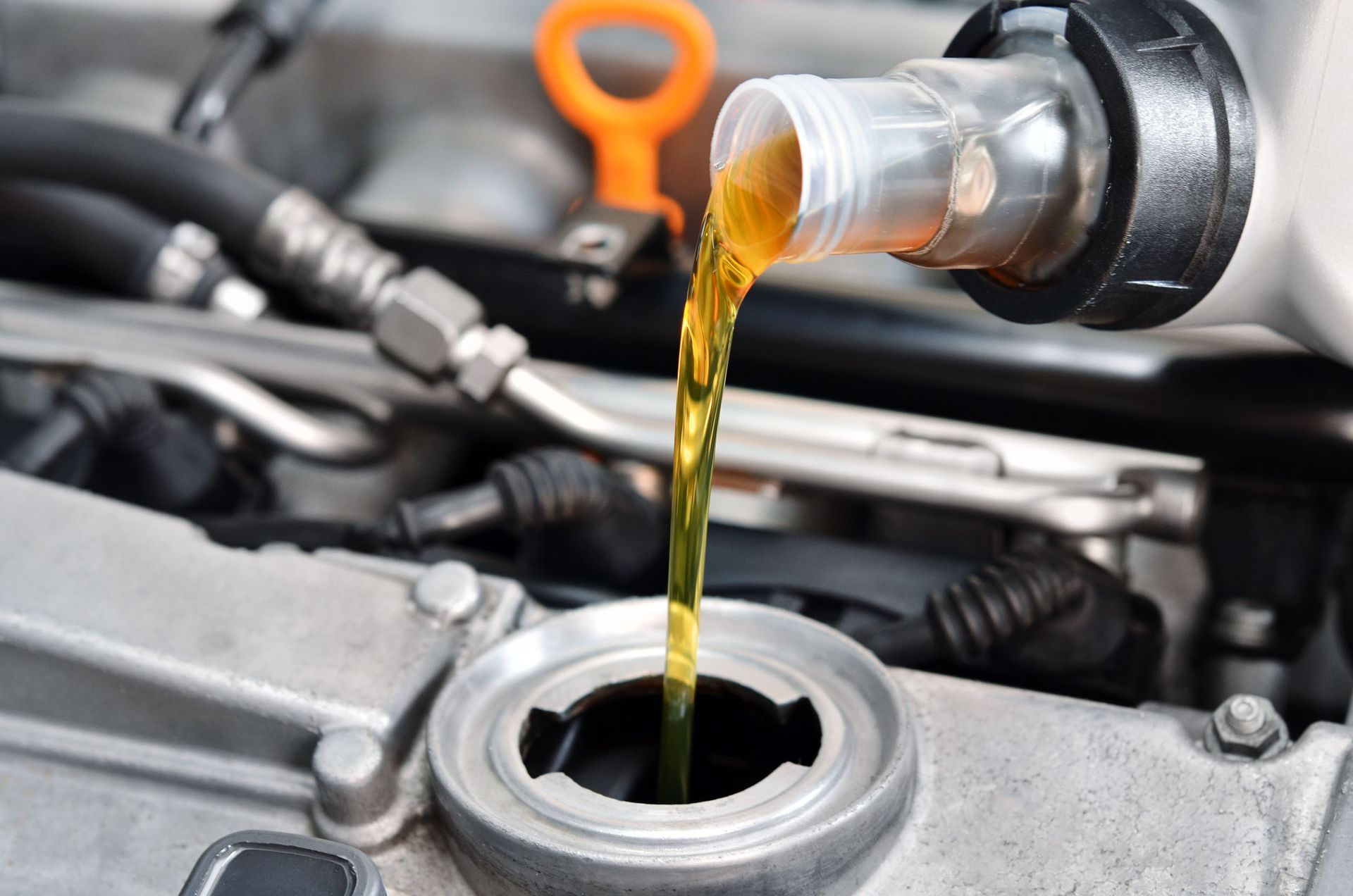
Maintaining fluid integrity is essential for cooling interior passages and insulating heavy-duty metal assemblies against friction. High-shear diesel motor oils must be drained and replenished alongside premium multi-micron oil, fuel, and air filters to stop abrasive particulate buildup. Coolant reservoirs require regular pH testing and supplementary conditioner replenishment to prevent internal cylinder liner pitting and catastrophic cavitation corrosion. Technicians using computer diagnostics can evaluate live injection pressures, timing curves, and exhaust sensor metrics. Partnering with seasoned mechanics for planned diesel repairs ensures that small issues are resolved early, avoiding premature engine overhauls.
Safeguarding Fuel Delivery and Quality
Fuel supply quality directly dictates combustion efficiency, emissions output, and the overall lifespan of high-pressure common-rail components. Low-grade or degraded fuel causes incomplete combustion, accelerates carbon buildup on piston crowns, and fouls delicate injector nozzles. Utilizing premium fuel with adequate cetane ratings delivers smooth combustion events, reduced cold-start rattle, and cleaner overall exhaust strokes. Operators should also monitor fuel consumption metrics closely, as sudden drops in economy often highlight sticking injectors, clogged filtration beds, or failing pressure regulators that need immediate diagnostic attention.
Fuel additives provide a vital line of defense by enhancing fuel lubricity, stabilizing volatile compounds, and keeping internal fuel pathways spotless. Ultra-low sulfur diesel fuel often lacks the natural lubricity necessary to protect delicate high-pressure injection pumps from abrasive metal-on-metal wear. High-quality fuel conditioners boost lubricity, dissolve sticky internal deposits, and stop winter gelling before fuel lines freeze. Furthermore, regularly draining water separators prevents emulsified moisture from corroding delicate injector tips or fostering bacterial sludge within storage tanks. Managing fuel quality prevents expensive fuel-system breakdowns and reduces the need for emergency diesel repairs.
Managing Thermal Warm-Up and Cool-Down
Allowing a diesel engine to reach proper operating temperatures before placing it under heavy loads is essential for mechanical preservation. During cold starts, motor oil remains viscous and flows slowly, temporarily leaving upper cylinder walls, rocker assemblies, and valvetrains vulnerable to metal-on-metal contact. Letting the engine idle for several minutes allows pressurized oil to circulate through all galleries and lets thermal expansion bring internal components to designed clearances. Drivers should avoid aggressive acceleration or hauling heavy payloads during warm-up, as overtaxing cold metallurgy invites head gasket leaks and cylinder scuffing.
Post-operational cool-down periods are equally critical, especially for modern turbocharged diesel applications. Turbochargers operate at extreme rotational speeds and absorb blistering exhaust temperatures during normal hauling and highway cruising. Shutting off an engine immediately after hard driving stops oil flow instantly, causing trapped lubricant to bake onto the glowing turbocharger shaft and bearings. Idling for three to five minutes before turning the key off allows circulating oil and coolant to lower turbo temperatures safely. Adopting gentle driving habits and mindful thermal routines protects bearings, cuts thermal shock, and avoids costly turbocharger diesel repairs.
Optimizing Breathing and Ancillary Systems
Maintaining intake, exhaust, and auxiliary systems in peak operating condition is vital for balanced engine combustion. A diesel engine functions essentially as a giant air pump, requiring clean airflow to atomize fuel droplets completely. Restrictive air filters, split intercooler hoses, and leaking charge-air coolers starve combustion chambers of oxygen, elevating exhaust temperatures and driving up fuel waste. Drivers should routinely clean intake ductwork, inspect turbocharger impeller wheels for shaft play, and ensure that intercooler cores remain unobstructed by road grime to sustain optimum power delivery.
The exhaust and emissions aftertreatment architecture also demands disciplined care to prevent elevated backpressure and internal heat buildup. Diesel particulate filters, exhaust gas recirculation valves, and selective catalytic reduction systems must undergo periodic thermal regeneration to clear trapped soot. Unaddressed exhaust leaks, sensor failures, or sticky valves disrupt combustion parameters, triggering computerized engine derates and increased wear across rotating assemblies. Synchronizing transmission clutches, balancing belt drive tensioners, and recalibrating electronic modules ensures consistent powertrain harmony. Addressing breathing and exhaust issues through timely diesel repairs keeps the powertrain responsive and environmentally compliant.
Conducting Comprehensive Component Inspections
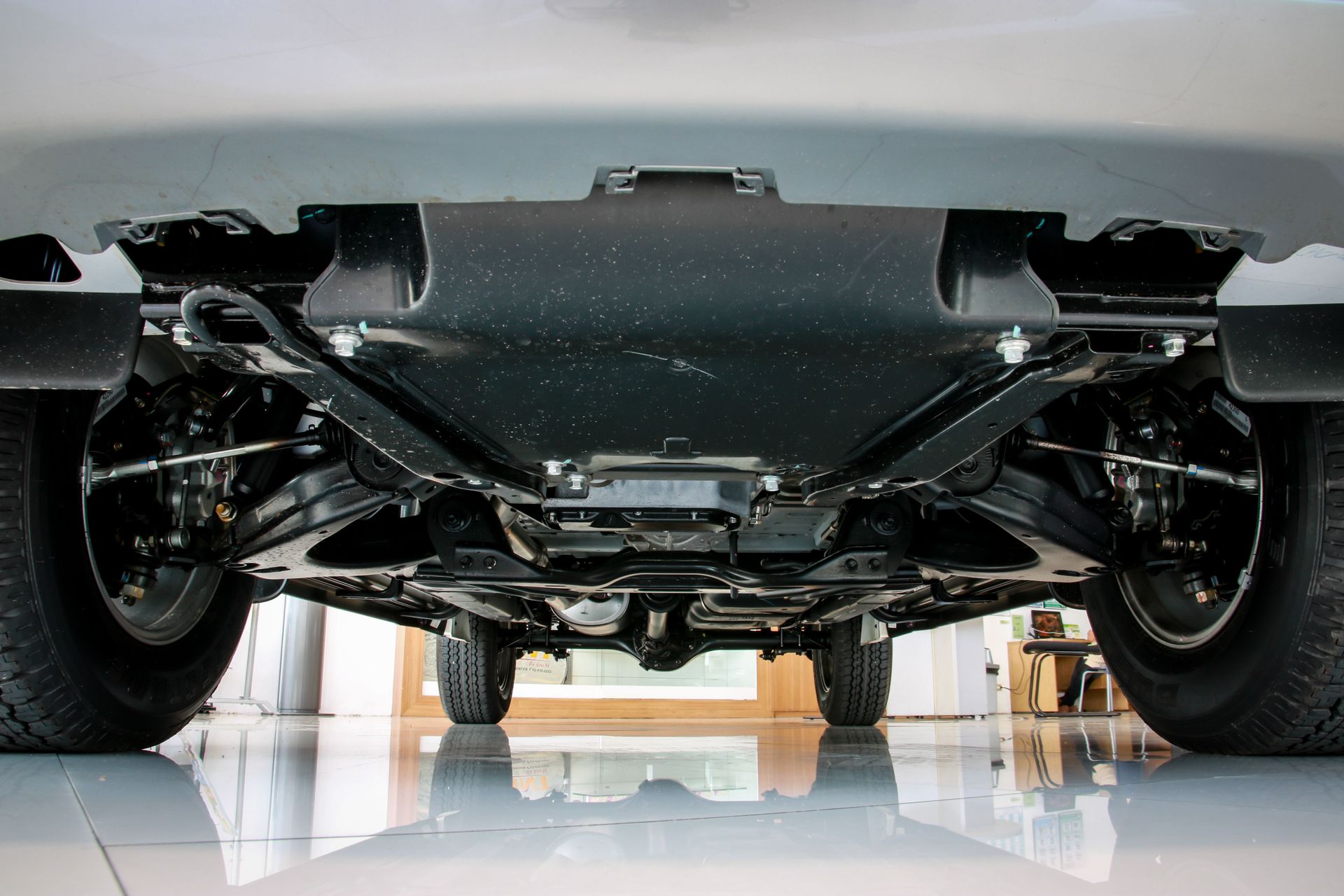
Thorough mechanical inspections uncover hidden component degradation before unmonitored stress fractures cause roadside breakdowns. Technicians must routinely assess the cooling system, checking radiator fins, thermostat operation, and water pump weep holes for active leaks. Engine mounts require careful evaluation, as split or collapsed rubber bushings transfer excessive vibrations throughout the chassis, stressing wiring looms and fractured exhaust piping. Verifying that the electrical architecture operates reliably ensures strong starter engagement, stable alternator recharging, and consistent current flow to electronic control modules during freezing weather.
Testing cylinder compression and monitoring cranking health offers invaluable insight into the engine's internal mechanical condition. Systematic compression tests identify worn rings, compromised intake valves, or failing head gaskets before major compression loss causes rough idling and white exhaust smoke. Keeping battery terminals clean, testing internal battery conductance, and evaluating glow plug resistance prevents hard-starting episodes that strain mechanical starters. Consistent physical inspections empower owners to identify worn serpentine belts, cracked coolant hoses, and loose brackets, ensuring small adjustments replace extensive diesel repairs throughout the vehicle's working life.
Implementing Proper Long-Term Storage
Preparing a diesel engine for extended periods of dormancy requires careful preservation steps to prevent corrosion and fluid degradation. Inactive engines are highly vulnerable to atmospheric humidity, which condenses inside fuel tanks, crankcases, and combustion chambers. Before placing equipment into storage, owners should change the oil and filters to eliminate acidic combustion byproducts that attack sensitive bearings. Topping off the fuel tank and introducing high-grade fuel stabilizers prevents fuel oxidation, sediment fallout, and internal tank rusting, ensuring that supply lines remain completely pristine for eventual recommissioning.
Guarding stored machinery against persistent atmospheric moisture requires storing the vehicle in a climate-controlled, dry environment whenever possible. Covering open air intakes, sealing tailpipe tips, and using moisture-absorbing silica packets prevents damp ambient air from oxidizing polished cylinder walls. Periodically rotating the engine or initiating brief warm-up cycles circulates protective oil films across dormant gears and bearing journals, keeping rubber seals pliable. Keeping battery maintainers connected prevents deep battery discharges that ruin internal lead plates. Careful storage planning preserves dormant engine systems, preventing costly post-storage diesel repairs and ensuring seamless operation upon restarting.
Maximizing the operational lifespan and performance of your diesel engine is an attainable goal through disciplined preventive care, quality fueling, and sensible driving habits. Diligently tracking component wear, respecting thermal cycles, and maintaining fluid integrity protects heavy-duty powertrains from catastrophic failures and expensive roadside tow bills. Well-maintained diesel equipment delivers dependable horsepower, superior fuel economy, and outstanding resale value across hundreds of thousands of demanding miles. When your commercial rig, personal truck, or fleet equipment requires certified diagnostics, preventive maintenance, or dependable diesel repairs, entrust your vehicle to the experienced technicians at Holton Truck and Tire.