December 4, 2025
Maintaining a diesel engine can be a strategic financial decision for both individuals and businesses. Proper maintenance can lead to significant long-term savings by preventing costly repairs and improving efficiency. This article will explore various ways in which diesel repair and maintenance can result in substantial cost savings while ensuring reliability and performance.
Understanding Diesel Engines
Diesel engines are known for their robust construction and durability, making them a preferred choice for heavy-duty applications. The way diesel engines function involves compressing air to a high degree, which then ignites fuel and air to produce power. This method is inherently more efficient than gasoline engines, allowing diesel engines to extract more energy from a given amount of fuel.
An important factor contributing to diesel efficiency is the energy content of diesel fuel. According to the US Department of Energy, diesel fuel contains around 10% to 15% more energy than gasoline, helping diesel engines achieve superior fuel economy. This means that for the same amount of fuel, diesel engines can travel further than their gasoline counterparts, ultimately leading to cost savings.
While diesel engines offer numerous advantages, they also have specific requirements and potential issues. Common problems include fuel contamination, injector failures, and turbocharger faults. Addressing these issues swiftly is essential to maintain operational efficiency and prevent suspension of operations, which can lead to increased repair costs.
Implementing Cost-Effective Maintenance Strategies
Implementing a systematic maintenance schedule can significantly reduce overall costs associated with diesel engines. Regular inspections and diagnostic tests can help identify potential problems before they escalate into major issues. By being proactive, owners can save money by making necessary repairs early and avoiding expensive fixes down the road.
A critical aspect of diesel engine maintenance is prioritizing the fuel system, as it plays a crucial role in engine performance. Clean fuel injectors and filters ensure that the engine runs efficiently, taking full advantage of diesel's higher energy content. Consistent upkeep of the fuel system not only saves on fuel costs but also prolongs engine life.
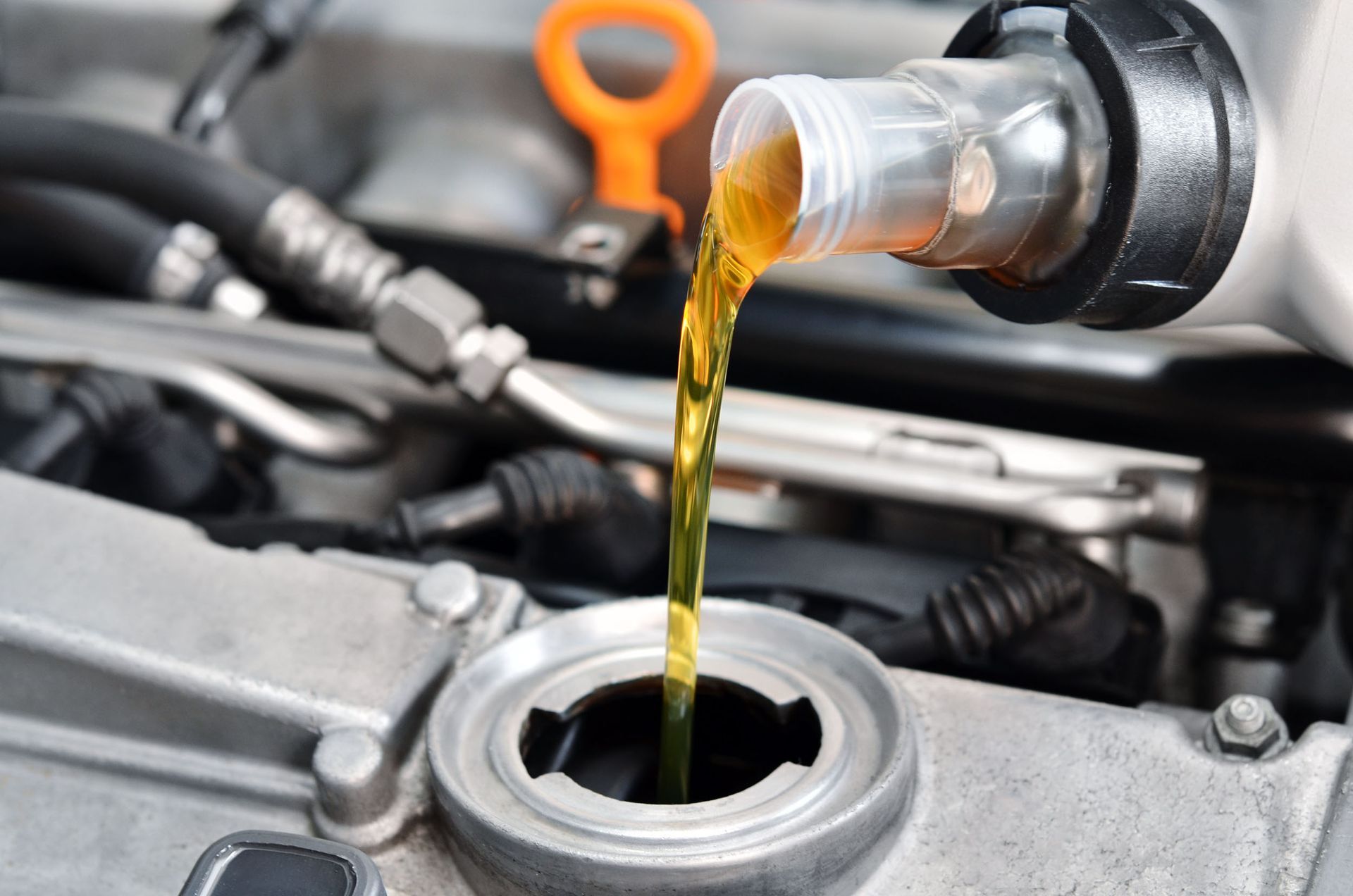
Oil is the lifeblood of diesel engines, and its regular change is non-negotiable. The benefits of utilizing genuine parts for oil and filter changes cannot be overstated. Genuine parts are designed to fit and perform optimally with specific engine models, ensuring the best possible protection and performance, which can translate to reduced repair bills over time.
Deciding Between DIY and Professional Repair
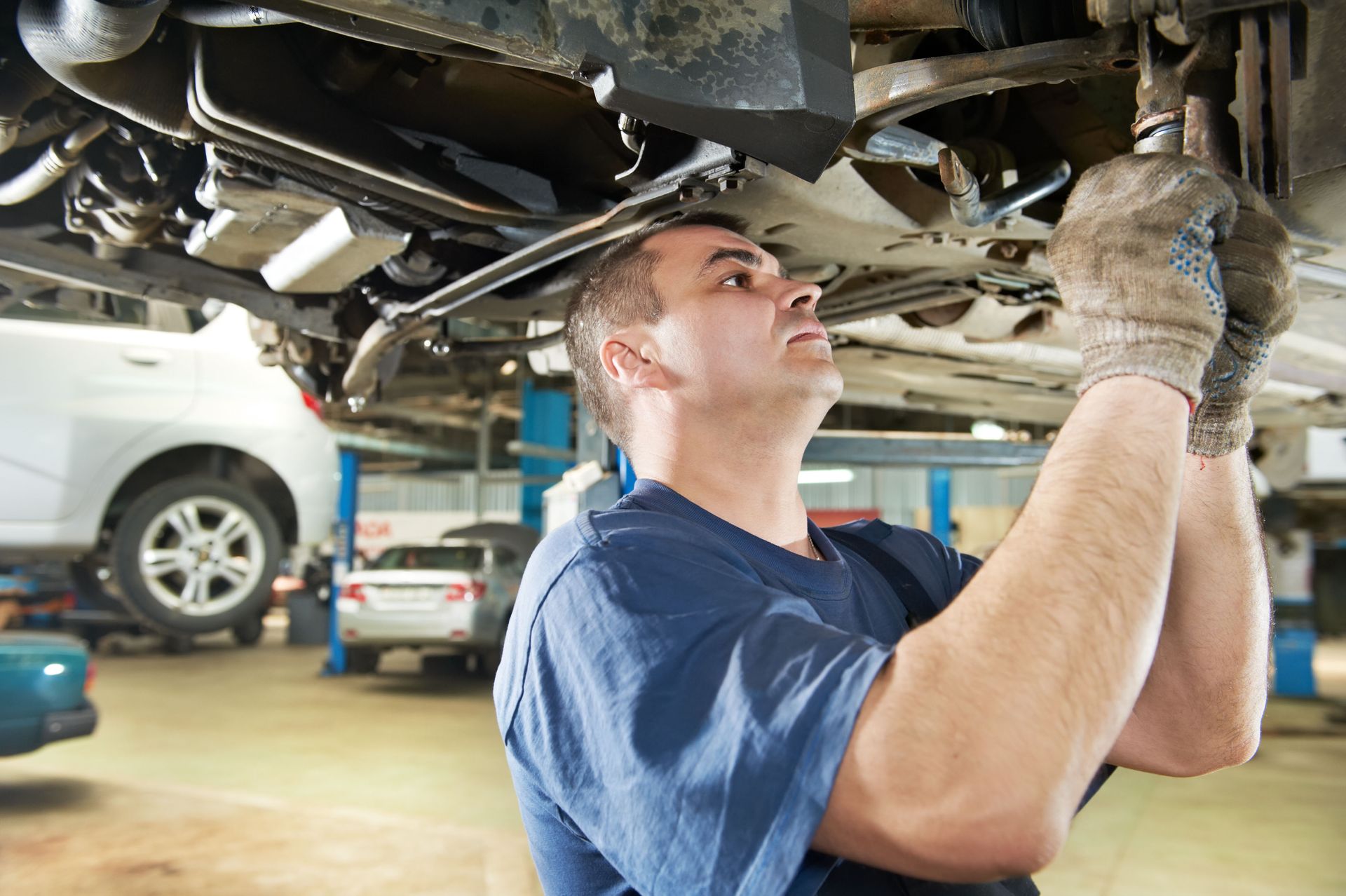
The decision to undertake diesel repairs personally or hire professional help often depends on the complexity of the task. Some repairs, such as basic part replacements, may be manageable by those with mechanical know-how. However, advanced repairs that involve intricate systems or specialized tools should be left to experienced mechanics to prevent further damage.
DIY repair can be cost-effective if the owner possesses the requisite skills and tools. However, professional repair services offer benefits such as accurate diagnostics, access to specialized equipment, and certified technicians. These advantages translate into higher quality repairs and lower risk of future complications, often justifying the higher upfront cost.
Comparing DIY costs with professional services involves weighing potential savings against the risk of improper repairs. While DIY might save money initially, incorrect handling of diesel engines can lead to much larger expenses down the line. In some cases, having professionals handle repairs from the outset is the best economic decision.
Understanding Economic Benefits of Proactive Repairs
Proactive repair strategies aim to address potential issues before they escalate into significant failures. Consistent, timely maintenance and repairs greatly reduce the risk of unexpected breakdowns, which can otherwise result in high costs for parts, labor, towing, and lost productivity. By identifying small issues early—such as minor leaks, worn belts, or declining fuel efficiency—operators can take corrective action before they lead to major mechanical damage. Preventing catastrophic failures through proactive care not only preserves vehicle performance but also saves a substantial amount of money in the long run.
Investing in regular maintenance allows operators to extend the operational lifespan of their diesel vehicles, keeping them reliable and efficient for years. Well-maintained vehicles maintain higher resale value and provide consistent returns on investment. Additionally, consistent upkeep minimizes the likelihood of costly replacements and ensures compliance with safety and environmental standards.
Operational downtime is particularly detrimental for businesses that depend on diesel vehicles for logistics, construction, or transport. Regular maintenance reduces the occurrence of unexpected repairs, allowing fleets to stay on schedule. Fewer interruptions translate to better time management, improved customer satisfaction, and higher revenue. In essence, proactive repair strategies protect both the mechanical health of the vehicle and the financial stability of the operation.
Understanding the Role of Technology in Repair Services
Emerging technology is revolutionizing the diesel repair industry, transforming traditional maintenance practices into streamlined, data-driven operations. Advanced diagnostic tools now enable technicians to pinpoint issues with remarkable accuracy and speed, significantly reducing the time spent on troubleshooting. Instead of relying solely on manual inspections, mechanics can use computerized systems that detect even minor irregularities in engine performance or emissions. This precision ensures that repairs are targeted, efficient, and cost-effective. The rise of predictive maintenance is another breakthrough—using analytics and machine learning to forecast potential failures before they happen, preventing breakdowns and extending vehicle lifespan.
Modern diesel engines incorporate complex electronic control units (ECUs) that manage fuel injection, air intake, and emissions. These systems depend on frequent software updates to maintain peak performance and compliance with evolving environmental standards. Neglecting these updates can lead to reduced efficiency, increased emissions, and unnecessary wear on components. Regular calibration and software optimization keep engines running smoothly while minimizing operational costs.
Additionally, telematics and real-time monitoring technology are reshaping fleet management and individual vehicle care. These systems continuously track performance metrics such as fuel consumption, temperature fluctuations, and engine load. The data collected allows operators to schedule maintenance based on actual need rather than guesswork, reducing downtime and avoiding unexpected failures. For business owners and drivers alike, integrating these technologies means greater reliability, lower repair expenses, and enhanced productivity across the board.
Researching Case Studies
Fleet operators have long recognized the value of comprehensive maintenance programs. Success stories often highlight significant reductions in breakdown frequency and repair costs after implementing scheduled maintenance routines. Such systematic approaches to diesel repair ensure vehicles remain operational, reducing downtime and improving overall profit margins.
Small businesses can also reap substantial benefits from diligent diesel maintenance practices. Cost-saving strategies aren't limited to large operations; smaller companies can achieve similar results by adopting disciplined maintenance habits. These practices ensure diesel vehicles are reliable, contributing to service consistency and competitive advantage.
In industrial settings, the efficient application of diesel maintenance principles maximizes machinery output. Comparisons between long-term and short-term maintenance expenses often reveal the hidden costs of neglecting preventive measures. Avoiding catastrophic failures through proactive maintenance not only saves money but also maintains production schedules.
Ultimately, consistent diesel repair and maintenance are crucial for cost savings and ensuring vehicle reliability. By understanding diesel engine mechanics, prioritizing maintenance strategies, and utilizing technology, operators can significantly reduce repair costs and enhance vehicle performance. Emphasizing proactive care allows individuals and businesses to harness the full potential of their diesel engines, resulting in economical and dependable operation. If you are in need of diesel repair and maintenance, call Holton Truck and Tire today to learn more!