February 4, 2026
Owning and operating a diesel vehicle comes with many advantages, including long-lasting performance and high torque for heavy-duty work. However, diesel engines are complex machines, and maintenance or repair costs can quickly add up if issues aren't addressed proactively. For fleet owners, small business operators, or individual drivers, reducing diesel repair costs isn't just about saving money but also about keeping vehicles on the road and preventing downtime. Fortunately, there are several smart strategies that can significantly lower expenses and extend the life of your diesel engine.
Prioritizing Regular Maintenance
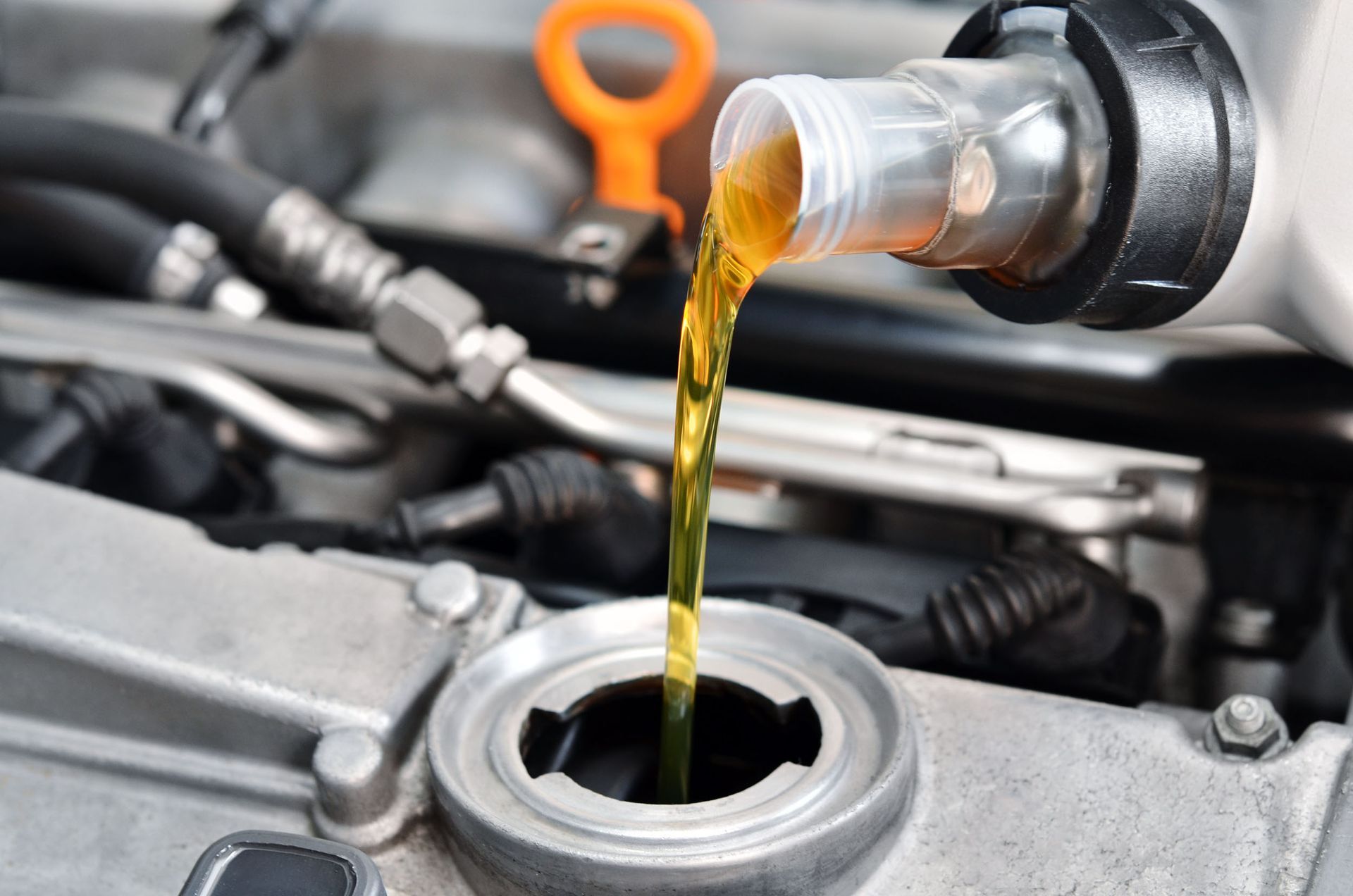
One of the most effective ways to reduce diesel repair costs is by prioritizing regular maintenance. Diesel engines have more intricate components than standard gasoline engines, which makes routine care essential. Regular oil changes, fluid checks, and system inspections help prevent minor problems from escalating into major repairs. According to EngineCrux, replacing fuel filters every 10,000 to 15,000 miles can prevent nearly 30% of typical diesel engine issues, reducing the likelihood of expensive repairs. By scheduling consistent maintenance and following manufacturer recommendations, drivers can address small issues before they result in expensive downtime or component replacement.
Routine maintenance also allows technicians to identify early signs of wear and tear on parts like turbochargers, fuel injectors, and EGR systems. Detecting these issues early reduces the likelihood of a breakdown that requires extensive diesel repair. Additionally, a well-maintained diesel engine tends to operate more efficiently, saving fuel and lowering overall operational costs.
Emphasizing Fuel Quality Management
Another key strategy to minimize diesel repair costs is by emphasizing fuel quality management. Diesel engines are highly sensitive to fuel contamination, and poor fuel quality can lead to clogged injectors, premature wear, and engine failure. Using high-quality diesel fuel and keeping storage tanks clean are simple steps that can have a major impact on repair expenses. Adding fuel additives or conditioners recommended by manufacturers can also improve combustion and reduce carbon deposits in the engine.
Proper fuel management goes hand in hand with timely fuel filter replacement. Clean fuel reduces the strain on fuel pumps and injectors, which are among the most expensive components to repair in a diesel engine. By preventing issues related to contaminated fuel, drivers can avoid unnecessary diesel repair work while maximizing engine performance and longevity.
Focusing on Engine Operating Practices
The way a diesel vehicle is driven plays a significant role in maintenance needs and repair costs. Focusing on engine operating practices can greatly reduce wear and tear. Avoiding prolonged idling, excessive load strain, and abrupt acceleration helps keep the engine running smoothly. Diesel engines are designed for consistent performance under controlled conditions, and harsh driving habits can accelerate component failure.
Proper warm-up and cool-down routines also protect the engine. Cold starts can cause stress on components, while shutting off the engine immediately after heavy operation can trap heat, leading to premature failure. By adopting mindful driving practices, vehicle owners can extend engine life and reduce the frequency of diesel repair needs.
Investing in Preventive Diagnostics
Investing in preventive diagnostics is a proactive approach that can save significant money on diesel repair. Modern diesel vehicles are equipped with sophisticated onboard diagnostics, allowing technicians to identify issues before they become serious. Regularly scanning the vehicle for error codes and monitoring performance metrics can uncover hidden problems in fuel injection systems, emission controls, or sensors.
Preventive diagnostics not only prevent costly breakdowns but also provide peace of mind for vehicle owners. Detecting an issue early can lead to simpler repairs and less downtime. For fleet operators, this approach is particularly valuable, as it ensures multiple vehicles remain in service without unexpected disruptions or expensive repairs.
Maintaining Cooling and Exhaust Systems
Maintaining cooling and exhaust systems is another smart strategy to reduce diesel repair costs. Overheating or exhaust restrictions can cause severe engine damage that requires extensive repair. Regular checks of radiators, hoses, coolant levels, and exhaust components help prevent such issues. Ensuring that cooling systems are free of leaks and buildup protects the engine from overheating, while a well-functioning exhaust system prevents backpressure that can damage engine components.
By addressing cooling and exhaust concerns before they become severe, diesel vehicle owners can avoid costly repairs related to engine overheating, warped cylinder heads, or turbocharger failure. Proper maintenance of these systems also improves overall engine efficiency, contributing to lower operational costs over time.
Scheduling Timely Component Replacement
Timely component replacement is essential for reducing long-term diesel repair costs. Parts such as belts, hoses, turbochargers, and fuel injectors have a limited service life, and waiting until failure occurs can result in more extensive damage. By replacing components according to manufacturer recommendations or when wear is detected, drivers can prevent cascading failures that require multiple repairs.
This proactive approach extends the lifespan of the engine and reduces labor costs associated with emergency diesel repair. Routine inspection and replacement of high-wear parts help maintain engine performance, prevent breakdowns, and avoid unexpected repair bills.
Implementing Clean Air Practices
Implementing clean air practices is often overlooked but is critical for diesel engine health. Diesel engines rely on precise air-to-fuel ratios for efficient combustion, and dirty air filters or intake systems can compromise performance. Regularly replacing air filters and ensuring that the intake system is free of debris improves combustion efficiency and reduces stress on the engine.
Clean air intake also supports emission control components, such as EGR valves and DPF systems, which can be expensive to repair if neglected. By prioritizing clean air practices, vehicle owners can minimize diesel repair costs while keeping engines running efficiently and within emission standards.
Encouraging Professional Inspections
Encouraging professional inspections is an investment that pays off in reduced diesel repair costs. Experienced diesel technicians can identify subtle problems that may go unnoticed by less trained individuals. These inspections often include comprehensive checks of fuel, cooling, and exhaust systems, as well as electrical components and turbochargers.
Professional inspections provide a roadmap for preventive maintenance and component replacement, helping vehicle owners make informed decisions. Whether for individual vehicles or entire fleets, relying on skilled professionals ensures that diesel engines are cared for correctly, preventing costly repairs caused by oversight or improper handling.
Extending Vehicle Lifespan Through Consistency
Consistency in maintenance, operation, and inspections ultimately extends the lifespan of diesel vehicles, which is one of the most effective ways to reduce repair costs over time. A consistent approach prevents sudden failures and spreads maintenance costs evenly, avoiding expensive emergency repairs. It also helps maintain resale value for the vehicle, as buyers prefer diesel engines with well-documented maintenance histories.
A long-term focus on consistency, rather than reactive repair, creates a culture of care around diesel vehicles. Drivers who consistently follow preventive measures, professional inspections, and smart operating practices experience fewer mechanical problems and lower cumulative repair costs.
Reducing diesel repair costs requires a multi-faceted approach. Prioritizing regular maintenance, focusing on fuel quality, adopting proper driving practices, and scheduling preventive diagnostics all contribute to avoiding costly repairs. Maintaining cooling and exhaust systems, timely component replacement, and clean air practices further protect the engine from damage.
By following these strategies, diesel vehicle owners can maximize engine lifespan, minimize repair frequency, and reduce unexpected downtime. Implementing a proactive, well-rounded maintenance approach isn't only smart for the wallet but also essential for maintaining performance and reliability. If you're looking for expert guidance on diesel repair and maintenance, contact Holton Truck and Tire today to keep your engines running strong and costs low.